Over-the-Road Trucking: What the Job Looks Like
Over-the-road (OTR) trucking is one of the most in-demand driving careers in the country. OTR drivers haul freight across long distances, often crossing multiple states in a single run. Routes generally cover the continental United States, and some extend into Canada.
It is not the right fit for everyone. But for drivers who want independence, strong pay, and long-term job security, OTR is worth understanding from the ground up.
What OTR Truck Drivers Do
OTR drivers move freight over long distances from one point to another. Their responsibilities go beyond operating the truck. A typical OTR driver’s duties include:
- Conducting pre-trip and post-trip vehicle inspections
- Hauling freight across state lines on assigned routes
- Managing hours-of-service logs in compliance with federal regulations
- Communicating with dispatchers and customers about delivery timelines
- Identifying and reporting mechanical issues
- Securing loads and verifying freight documentation
Some OTR drivers also handle light loading and unloading duties, though some pickups and drop-offs involve dock crews who handle the freight.
Types of Freight OTR Drivers Haul
OTR drivers carry a wide range of cargo depending on the carrier and the driver’s endorsements. Common freight types include:
- Dry van freight (packaged goods, manufactured products)
- Flatbed loads (construction materials, heavy equipment, steel)
- Tanker loads (fuel, liquids, gases)
- Refrigerated freight (perishable food products)
- Hazardous materials (with the proper HazMat endorsement)
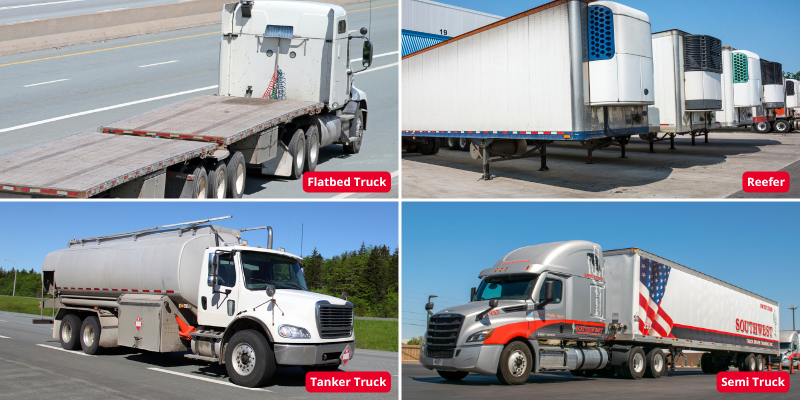
The type of freight a driver hauls affects both their pay and the endorsements required. Drivers with endorsements for HazMat or tanker operations typically have access to more positions and higher earning potential.
OTR Truck Driver License Requirements
A Class A CDL is required for OTR driving. This license authorizes drivers to operate combination vehicles with a gross combination weight rating (GCWR) of 26,001 pounds or more. Tractor-trailers, flatbeds, tankers, and reefer (or refrigerated trucks) carriers all fall under this category.
Drivers must also meet the federal Department of Transportation (DOT) physical requirements and pass both a knowledge test and a skills test before receiving their CDL.
Southwest Truck Driver Training offers Class A CDL programs at campuses in Phoenix and Tucson. Both locations meet all federal Entry-Level Driver Training (ELDT) requirements, and state-approved CDL skills testing is available on-site at both campuses.
Common Endorsements for OTR Drivers
Adding endorsements to a Class A CDL makes a driver eligible for more freight types and more job opportunities. The most common endorsements for OTR drivers are:
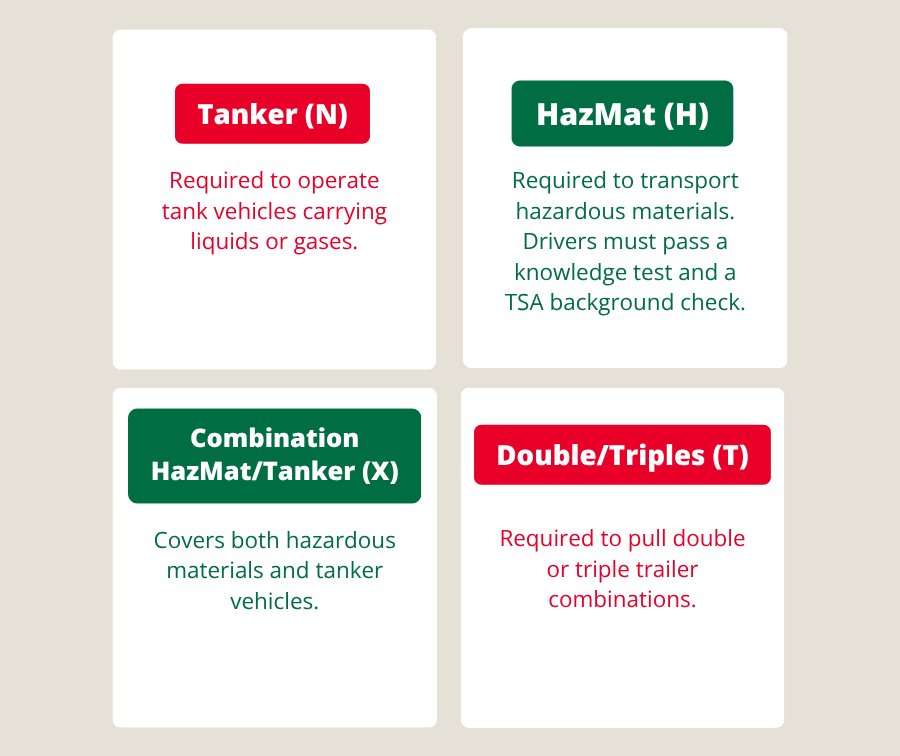
Southwest Truck Driver Training offers HazMat endorsement training at both the Phoenix and Tucson campuses.
OTR Truck Driver Pay in Arizona
OTR drivers earn more on average than local or regional drivers, which reflects the time commitment and miles involved. Most carriers pay OTR drivers by the mile rather than by the hour.
According to ZipRecruiter, OTR truck drivers in Phoenix earn an average of around $81,000 per year, with top earners reaching $99,000 or more annually. Factors that affect pay include the type of freight, number of miles driven, endorsements held, and carrier pay structure.
Carriers often supplement base pay with signing bonuses, safety bonuses, and mileage incentives. Many of Southwest Truck Driver Training’s carrier partners also offer tuition reimbursement for recent graduates, which can help reduce the cost of training.
Home Time as an OTR Driver
OTR drivers are typically away from home for extended stretches. Depending on the carrier, drivers may be on the road for one to four weeks before returning home. Federal regulations limit OTR drivers to 11 hours of driving within a 14-hour on-duty window, after which they must take a mandatory rest break.
Drivers who need more predictable home time may find regional or dedicated routes a better fit. Southwest Truck Driver Training’s career services team helps graduates evaluate which driving category aligns with their goals and lifestyle.
Trucking Careers After Training →
Solo vs. Team OTR Driving
OTR drivers can work alone or in two-person teams. With team driving, one driver operates the truck while the other rests in the back of the cab, also known as the sleeper berth. Teams can cover more miles in less time because the truck stays moving longer.
Solo driving offers more independence and solitude. Team driving can reduce the isolation that some OTR drivers experience and may come with higher total earnings due to increased miles.
Company Driver vs. Owner-Operator
Most OTR drivers start out as company drivers employed by a carrier. Company drivers operate the carrier’s equipment, receive a consistent pay structure, and have their truck maintenance, insurance, and fuel costs handled by the employer.
Owner-operators are self-employed. They own or lease their own truck and run their business independently. Owner-operators have more control over their schedule and load selection, but they also carry more financial responsibility.
Most CDL training graduates begin their careers as company drivers and move toward owner-operator status as they gain experience and capital.
Starting an OTR Career After CDL Training
Earning a Class A CDL is the first step toward an OTR driving career. Southwest Truck Driver Training has spent more than 25 years building relationships with local, regional, and national carriers. Those connections go to work for graduates from the moment they complete the program.
Every graduate of Southwest Truck Driver Training has access to lifetime job placement assistance. That support does not expire at graduation. Whether a driver is starting out or looking to make a change years later, the career services team is available to help.
Southwest is an independent school with no carrier affiliation. This means graduates choose where they want to work.
Frequently Asked Questions About OTR Trucking
Is OTR trucking a good career for someone with no driving experience?
Yes. Most national carriers hire new Class A CDL graduates for entry-level OTR positions. No prior commercial driving experience is required to enroll in a CDL program or to get hired after graduation.
How does OTR pay compare to regional or local driving?
OTR drivers typically earn more than regional or local drivers because of the miles and time commitment involved. The trade-off is less home time and longer stretches on the road.
What is a sleeper berth?
A sleeper berth is a sleeping area built into the cab of an OTR truck. Drivers rest there during mandatory break periods rather than checking into a hotel. Most modern sleeper cabs include a bed, storage, and climate control.
Can OTR drivers choose their routes?
Company drivers generally follow routes assigned by dispatchers, though many carriers offer input on regional preferences or home-base proximity. Owner-operators have more control over the loads and routes they accept.
What endorsements are most valuable for OTR drivers?
HazMat and tanker endorsements are the most in-demand for OTR work. Both expand the types of freight a driver can haul and typically increase earning potential.
Do OTR carriers offer benefits?
Most national carriers offer health insurance, dental, 401(k) plans, and paid time off. Many of Southwest Truck Driver Training’s carrier partners also offer signing bonuses and tuition reimbursement for recent graduates.
How long does it take to go from no CDL to an OTR job?
Southwest Truck Driver Training’s Class A CDL program can be completed in as few as four weeks on the day schedule. Many graduates begin the job placement process before they finish training.